If you’re considering a hair transplant UK or elsewhere in the UK, one of the first steps in the process is the consultation. This initial meeting with a surgeon plays a crucial role in determining whether you’re a suitable candidate for the procedure. Understanding what to expect from a hair transplant consultation can help ease any anxiety and set realistic expectations for the journey ahead.
The Importance of a Hair Transplant Consultation
A hair transplant consultation is the first opportunity for you to learn about the procedure, ask questions, and assess whether the clinic and surgeon are the right fit for you. It’s also a time for the surgeon to evaluate your hair loss, overall health, and goals. The consultation sets the foundation for the procedure, ensuring that both you and the surgeon are aligned in terms of expectations, outcomes, and the best approach to your specific case.
What Happens During the Consultation?
When you visit a London hair transplant clinic, the consultation will begin with a thorough discussion of your hair loss history. The surgeon will want to know when your hair loss started, whether it has progressed over time, and if any underlying health factors could impact your treatment options. They will also ask about your lifestyle, family history, and whether you’ve tried any treatments for hair loss in the past.
This part of the consultation is essential, as it helps the surgeon understand your situation and design a customized plan for you. They will assess the extent of your hair loss and determine whether a hair transplant in the UK is the right solution for your needs.
Scalp Evaluation and Hair Assessment
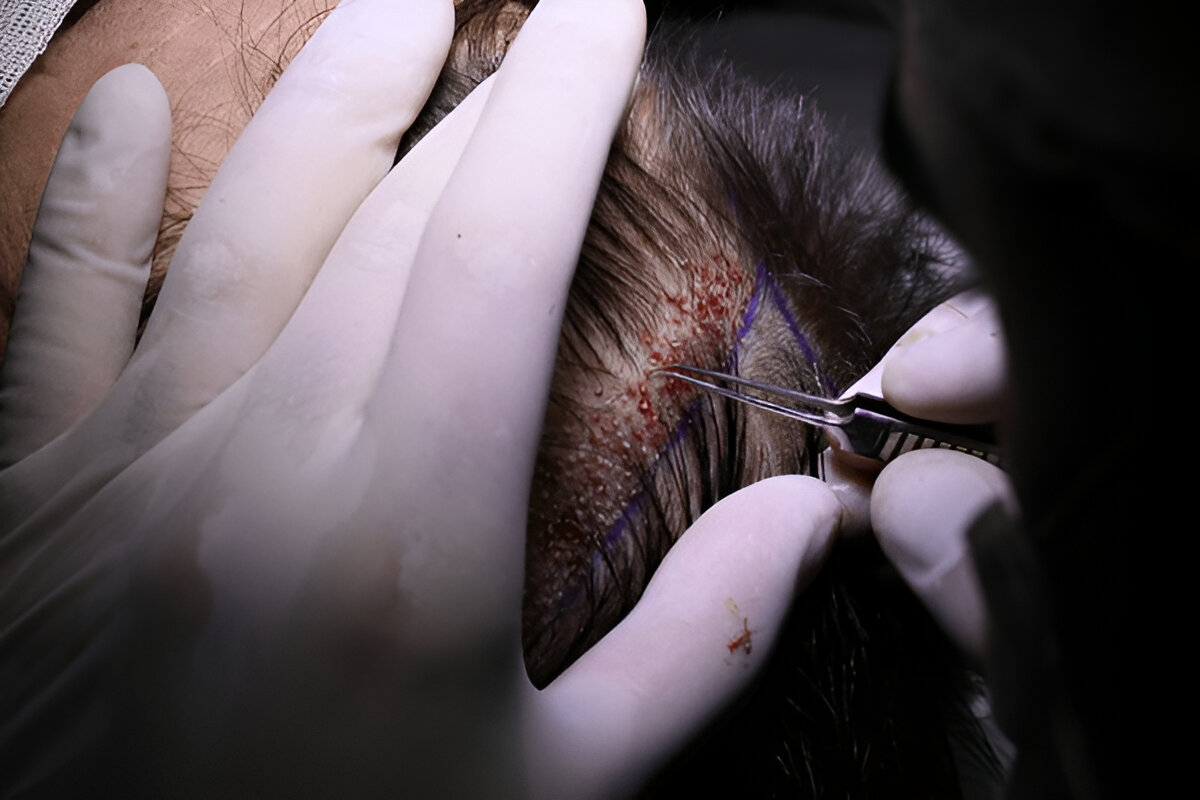
Once your medical history has been reviewed, the surgeon will perform a scalp evaluation. This involves examining the donor and recipient areas on your scalp. The donor area is where healthy hair follicles will be harvested, while the recipient area is where the hair follicles will be transplanted.
The surgeon will assess the density and quality of your donor hair. If your donor hair is thick and healthy, you’re likely to be a good candidate for a transplant. On the other hand, if your donor area has limited hair, the surgeon might discuss other options or recommend a different treatment plan.
During this evaluation, the surgeon will also consider the pattern and extent of your hair loss. This helps them determine the most appropriate type of transplant technique, whether it’s Follicular Unit Transplantation (FUT), Follicular Unit Extraction (FUE), or another method.
Discussing Treatment Options and Techniques
One of the most critical aspects of the consultation is understanding the different hair transplant techniques available. The surgeon will explain the various options, such as FUT, FUE, or DHI (Direct Hair Implantation). They will discuss the pros and cons of each method based on your unique situation.
For example, if you’re seeking a hair transplant in London, the surgeon might recommend FUE if you prefer a method that leaves minimal scarring, as FUE involves extracting individual follicles. If you need a larger number of grafts and are okay with a linear scar at the donor site, FUT might be a better choice.
The surgeon will also explain the hair transplant cost, providing an estimate based on the method chosen and the number of grafts needed. It’s essential to ask about all potential costs involved, including pre-surgery consultations, post-surgery treatments, and any follow-up care required.
Setting Realistic Expectations
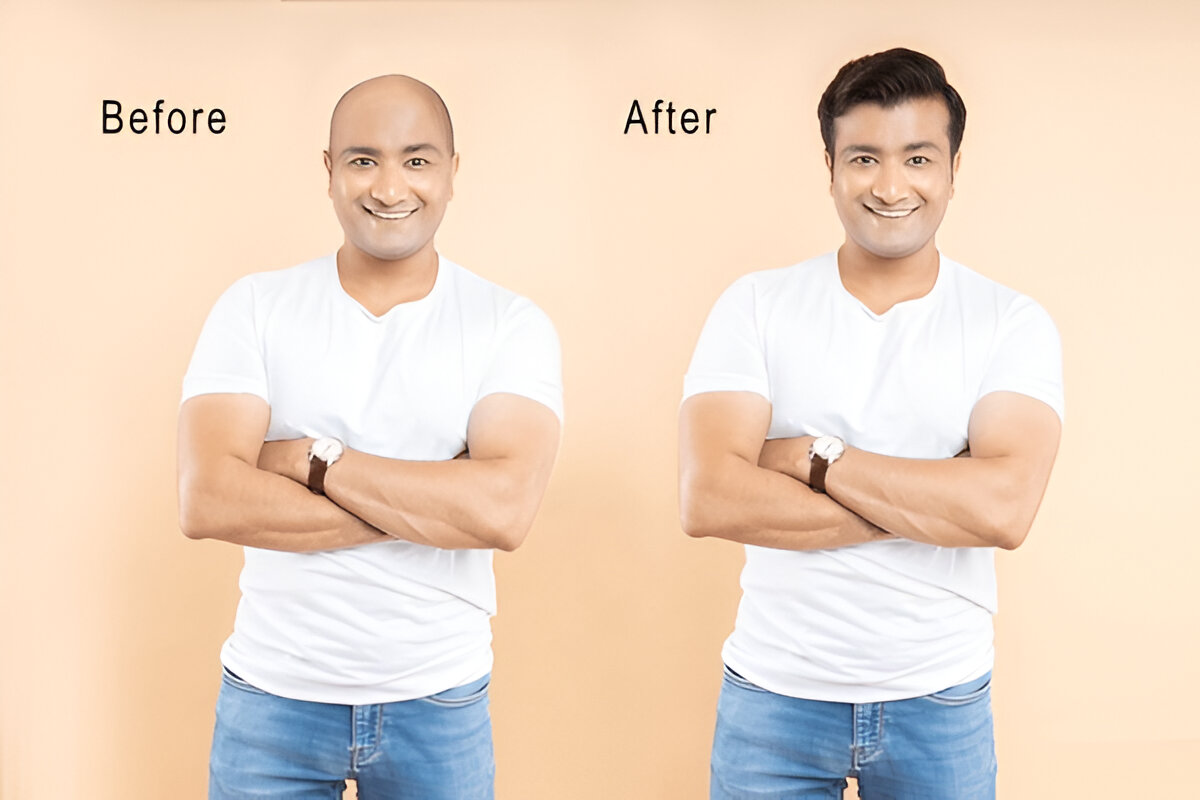
During the consultation, the surgeon will also discuss the results you can expect from the procedure. It’s essential to have realistic expectations about the outcomes of a hair transplant. While the procedure can yield impressive results, the full effects take time to show. Typically, you’ll see initial shedding of the transplanted hair within the first few weeks, with new growth emerging after a few months. Full results often take up to a year to appear.
The surgeon will also explain any possible risks or complications associated with the procedure. They will make sure you understand what the recovery process entails, including any necessary aftercare and restrictions. You will be given a clear picture of what to expect from the recovery period, including any swelling, scabbing, or discomfort you may experience.
Asking Questions and Addressing Concerns
A key part of the consultation is ensuring that you feel comfortable and well-informed. Don’t hesitate to ask the surgeon any questions you may have about the procedure. You might want to ask about the surgeon’s experience, the clinic’s reputation, or the long-term success of hair transplant procedures. It’s important to feel confident in both the surgeon’s expertise and the clinic’s facilities.
The consultation is also an opportunity to discuss any concerns you have about the hair transplant UK process. Whether you’re worried about scarring, pain, or recovery time, the surgeon will address these concerns and provide you with all the information you need to make an informed decision.
Conclusion
A hair transplant consultation is an essential first step on your journey to restoring your hair. During the consultation, you will learn about the procedure, the techniques available, and the expected outcomes. You will also have the chance to ask questions, discuss your concerns, and set realistic expectations for your hair restoration journey.
By the end of the consultation, you should have a clear understanding of whether a London hair transplant is right for you. With the correct information and a skilled surgeon, you can move forward with confidence, knowing that you are making the best decision for your hair and your overall well-being.