Undergoing a best hair transplant London is a transformative procedure that helps restore hair and confidence. While the procedure itself is vital to the success of your hair restoration, the aftercare process plays an equally crucial role in ensuring you get the best results. Proper aftercare is essential for facilitating healing, preventing complications, and promoting the growth of healthy, natural-looking hair. In this article, we’ll guide you through the best practices for FUE hair transplant aftercare to help you achieve optimal results.
Understanding FUE Hair Transplant and Its Aftercare
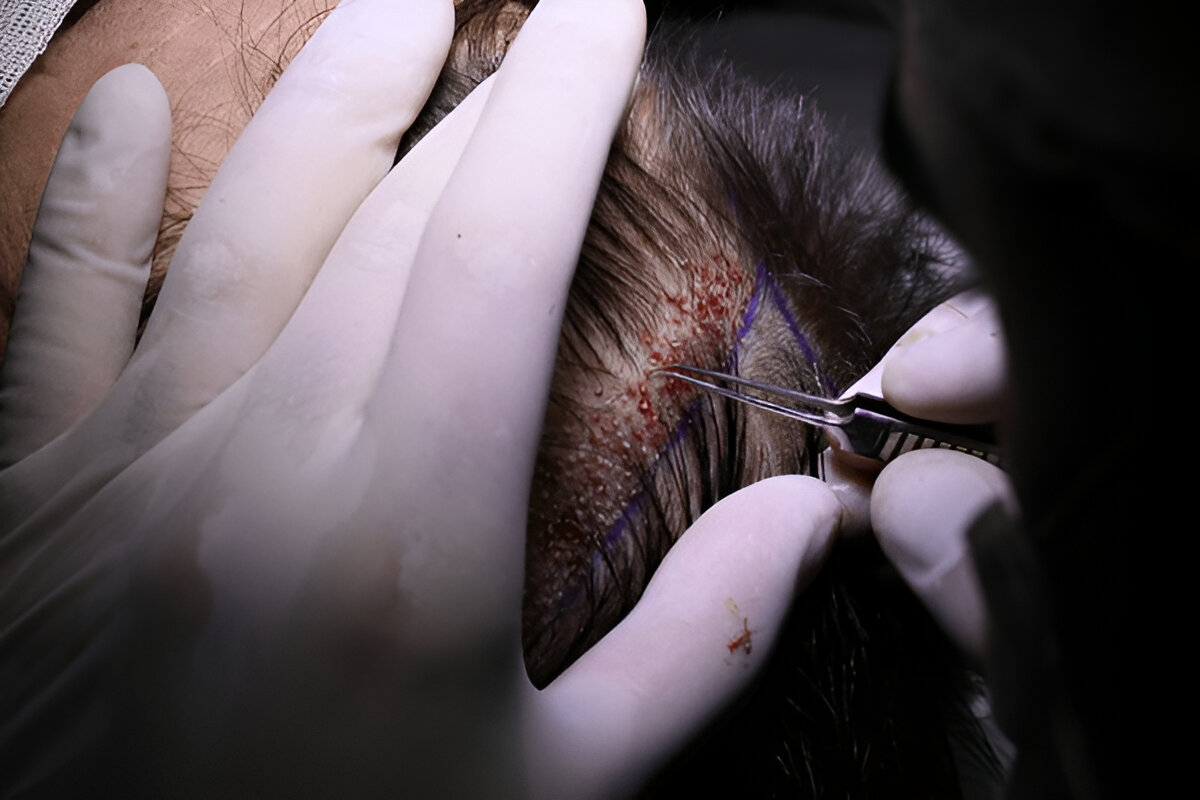
FUE (Follicular Unit Extraction) is a minimally invasive technique in which individual hair follicles are extracted from a donor area and transplanted into areas affected by hair thinning or baldness. Unlike older methods, FUE hair transplant leaves no large scars and offers a quicker recovery time. However, the healing process after the procedure still requires careful attention to ensure the transplanted follicles take root and grow naturally.
The First 24 Hours: Initial Healing and Care
In the first 24 hours after your FUE hair transplant in London, it is crucial to follow your surgeon’s post-operative instructions carefully. During this period, you may experience some swelling, redness, or mild discomfort, which is entirely normal. To reduce swelling, you may be advised to keep your head elevated while sleeping. This will help prevent blood from pooling in the scalp area and reduce any inflammation.
It’s important not to touch or rub the transplanted area in the first few days, as this can dislodge the newly placed follicles. At this stage, your body will be healing, and it’s essential to avoid any activity that may disrupt the transplanted hair follicles.
3 to 5 Days After the Procedure: Managing Scabs and Crusting
By the third to fifth day following your hair transplant, Harley Street, you may notice the formation of scabs or crusts around the transplanted follicles. This is a natural part of the healing process. It’s essential not to scratch, pick, or manually remove these scabs, as doing so can disrupt the healing process and potentially compromise the success of the transplant.
Most surgeons recommend gently washing your scalp after the first 2 to 3 days. You’ll likely be given a special shampoo or lotion to cleanse the area. The goal is to keep the area clean without irritating the scalp. If your clinic provides a specialized cleaning solution, use it as instructed to keep the area clean and free from debris and bacteria.
Week 1: Protecting the Transplanted Hair Follicles
During the first week, the transplanted hair follicles will begin to settle into their new locations. It’s vital to protect the area from external forces that could harm or irritate the scalp. Avoid direct sunlight, as UV rays can cause damage to the transplanted follicles. Wearing a loose-fitting hat or bandana is a good way to protect your scalp when outdoors.
Additionally, avoid vigorous physical activity, especially exercises that involve sweating, as excessive moisture can increase the risk of infection or irritation. During this time, you should also refrain from any hair styling products, such as gels, hairsprays, or mousses, as they can cause irritation or clog hair follicles.
Weeks 2 to 4: Managing Shedding and Early Growth
Between the second and fourth weeks following your natural-looking hair transplant, it’s normal to experience shedding of the transplanted hair. This can be alarming to some patients, but it’s essential to remember that this is a regular part of the natural hair growth cycle. The hair goes through a shedding phase before it enters a resting phase, after which new hair begins to grow from the transplanted follicles.
During this period, it’s crucial to maintain your aftercare routine, which includes gentle washing and moisturizing. Using a gentle shampoo and lukewarm water can help prevent irritation while keeping the scalp clean and healthy. As the new hair begins to grow, avoid scratching or rubbing the area to prevent any damage.
Months 1 to 3: Early Hair Growth and Continued Care
By the time you reach the one to three-month mark following your FUE hair transplant, you may begin to notice early signs of hair growth. Although it may appear fine or sparse initially, the new hair will gradually thicken and strengthen over time. At this stage, continue with your aftercare regimen, focusing on gentle care and proper hydration to nourish the scalp and encourage healthy hair growth.
During this period, many patients experience a sense of excitement as their hair begins to grow back. However, patience is key, as full results may take several months to develop fully. Some clinics may recommend additional treatments, such as platelet-rich plasma (PRP) therapy, to stimulate hair growth and improve follicle health.
Long-Term Aftercare: Maintaining Healthy Hair
Once you reach the three to six-month stage, your best hair transplant London should be well on its way to showing visible results. At this point, it’s essential to continue maintaining healthy habits to support the long-term growth of your hair. Regular scalp massages can help stimulate circulation, and using a mild, sulfate-free shampoo can keep the scalp free of excess oils and buildup.
Your surgeon may also advise you on the use of certain hair products or supplements to support hair growth and maintain the health of your transplanted follicles. Avoiding harsh treatments and taking care not to damage your hair through over-styling or heat will help preserve the results for the long term.
Final Results: When to Expect Full Growth
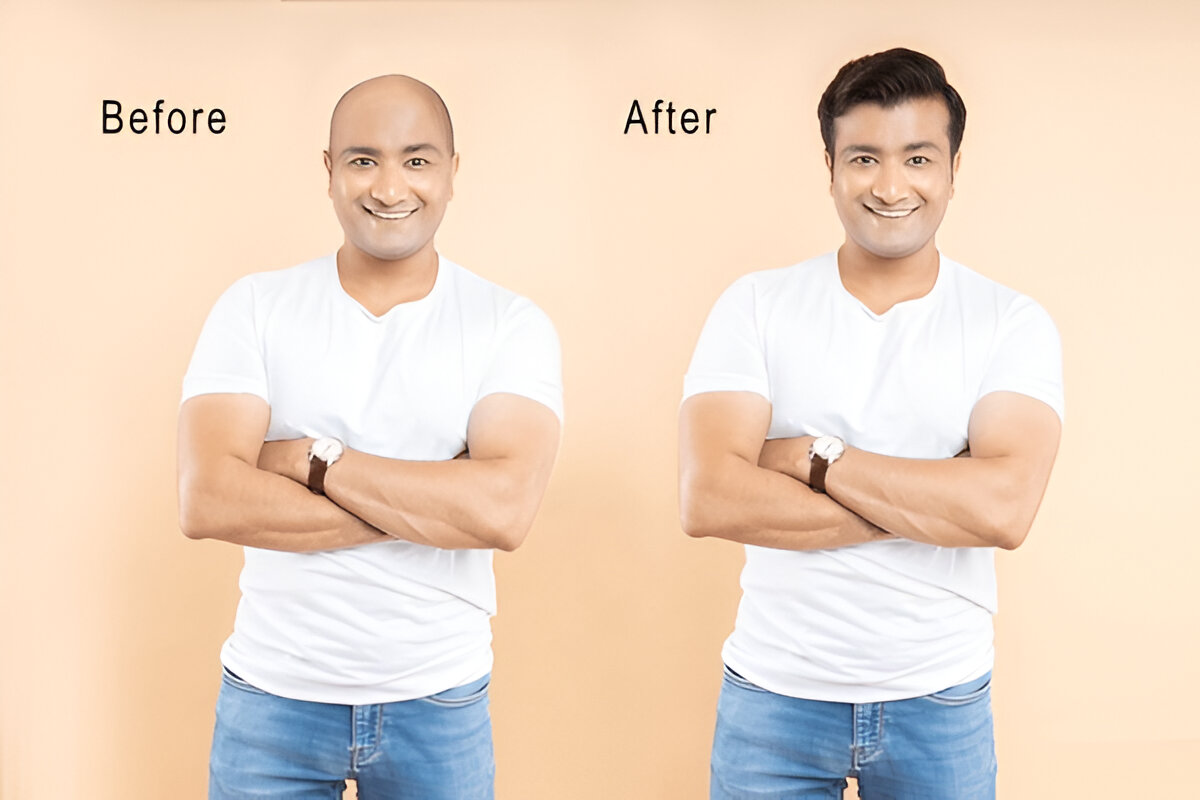
It typically takes between 12 and 18 months to see the final results of your natural-looking hair transplant. During this time, the newly transplanted follicles will grow, and the hair will thicken, creating a fuller, more natural appearance. The final hairline will be established, allowing you to enjoy your restored hair without the need for ongoing treatments.
Throughout this journey, maintaining regular check-ups and following your surgeon’s guidance will help ensure the best possible outcome. Many patients find that their results are transformative, not just in terms of appearance, but also in boosting their self-esteem and confidence.
Conclusion
The success of your FUE hair transplant in London depends not just on the procedure itself, but also on the aftercare that follows. By following these best practices, you will help ensure that your newly transplanted hair follicles settle properly and begin growing naturally. Whether you’re recovering from a hair transplant in Harley Street or just beginning your journey toward a fuller head of hair, understanding the importance of aftercare is key to achieving the best results. With patience, commitment, and proper care, you’ll enjoy the lasting benefits of your natural-looking hair transplant.