Understanding what is a lead marketing funnel is essential for any business seeking to turn prospects into paying customers. A lead marketing funnel is more than just a sales concept—it is a systematic approach to guiding potential customers through the stages of awareness, interest, decision, and action. Properly designed, it helps businesses attract, nurture, and convert leads efficiently, ensuring that marketing efforts translate into tangible revenue.
The concept of a lead marketing funnel is rooted in the buyer’s journey. Not every person who interacts with your brand is ready to buy immediately. A funnel allows you to manage prospects at different stages, providing the right messaging and resources to guide them from initial awareness to final purchase. In this article, we’ll explore what a lead marketing funnel is, why it matters, and how to build one that consistently delivers results.
1. Understanding What is a Lead Marketing Funnel
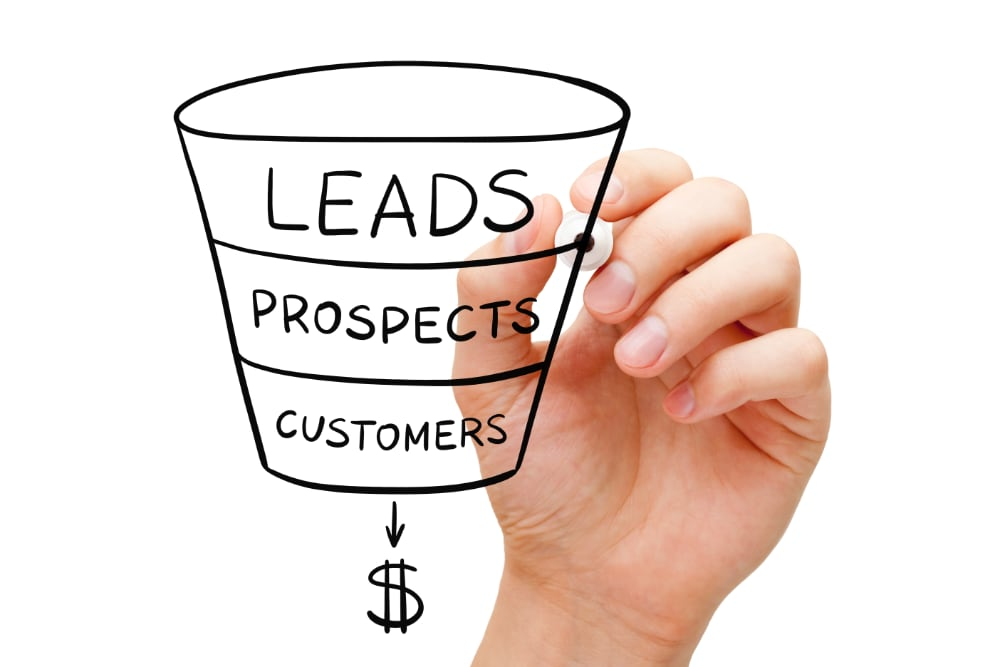
A lead marketing funnel is a visual representation of the customer journey from the moment a prospect becomes aware of your brand to the point they convert into a customer. The funnel metaphor reflects the narrowing process: many potential leads enter at the top, but only a fraction will reach the bottom as qualified customers.
The funnel is typically divided into three key stages:
- Top of the Funnel (TOFU): Awareness
This stage focuses on attracting a broad audience. The goal is to make potential leads aware of your brand and offerings. Common activities include content marketing, social media campaigns, blog posts, SEO, and online advertising. - Middle of the Funnel (MOFU): Consideration
At this stage, leads have shown interest and are evaluating options. Marketing efforts should educate and engage leads, providing valuable resources such as webinars, case studies, email sequences, and product guides. - Bottom of the Funnel (BOFU): Decision
Here, leads are ready to make a purchase decision. Sales teams engage with qualified leads, offering product demos, consultations, personalized offers, and incentives to convert them into customers.
Understanding this structure is crucial because it enables marketers to provide tailored messaging and interventions at each stage of the journey.
2. Why a Lead Marketing Funnel Matters
Many businesses generate leads but fail to convert them into paying customers effectively. Without a structured funnel, leads often fall through the cracks due to inconsistent communication, unqualified prospects, or poorly timed follow-ups.
A lead marketing funnel provides several advantages:
- Efficiency: Focuses resources on high-quality leads that are most likely to convert.
- Clarity: Provides visibility into where prospects are in the buyer journey.
- Scalability: Makes it easier to replicate successful strategies and scale campaigns.
- Measurement: Tracks conversion rates, engagement, and ROI at each stage, allowing for continuous improvement.
3. How to Build a Lead Marketing Funnel
Building an effective lead marketing funnel requires careful planning, strategy, and consistent execution. Below are steps to create a funnel that converts:
Step 1: Define Your Target Audience
Start by understanding who your ideal customers are. Create buyer personas that outline demographics, behaviors, pain points, and motivations. Knowing your audience ensures that your funnel messaging resonates and attracts the right leads.
Step 2: Map the Buyer’s Journey
Identify the stages your prospects go through before making a purchase. Outline what content, resources, or interactions they need at each stage. This mapping provides a blueprint for funnel creation.
Step 3: Attract Leads at the Top of the Funnel
Use content marketing, social media, SEO, paid ads, and other awareness-building tactics to attract potential leads. Offer valuable resources such as blogs, infographics, or educational videos to encourage engagement. The goal is to generate interest and collect basic contact information for future nurturing.
Step 4: Nurture Leads Through the Middle of the Funnel
Once leads are captured, move them through the consideration phase by providing targeted content. Examples include:
- Email marketing campaigns with educational content
- Webinars or workshops demonstrating product benefits
- Case studies showing real-world results
- Personalized follow-ups based on lead behavior
The aim is to build trust, establish authority, and position your brand as a solution to their problems.
Step 5: Convert Leads at the Bottom of the Funnel
When leads are ready to make a decision, provide personalized experiences to encourage conversion. This can include:
- One-on-one consultations or demos
- Product trials or samples
- Limited-time offers or discounts
- Clear, compelling calls-to-action
At this stage, collaboration between marketing and sales is essential to ensure a smooth transition and maximize conversion rates.
Step 6: Analyze and Optimize
No funnel is perfect from the start. Use analytics tools to monitor key metrics such as conversion rates, lead drop-off points, and engagement levels. Identify bottlenecks and optimize content, messaging, and processes to improve performance continually.
4. Tips for a Successful Lead Marketing Funnel
- Personalize Communication: Tailor messaging based on lead behavior and interests. Personalized experiences increase engagement and conversion rates.
- Automate Where Possible: Marketing automation tools can streamline email campaigns, lead scoring, and follow-ups, making your funnel more efficient.
- Align Marketing and Sales: Ensure smooth handoffs between marketing-generated leads and sales teams. Clear communication and shared goals improve conversions.
- Test and Iterate: Continuously test content, CTAs, and landing pages to identify what resonates best with leads at each stage.
Conclusion
Understanding what is a lead marketing funnel and building one strategically is essential for any business looking to optimize its lead generation and conversion processes. A well-designed funnel attracts the right leads, nurtures them through the buyer journey, and converts them into loyal customers.
By defining your target audience, mapping the buyer’s journey, providing value at each stage, and optimizing continuously, businesses can create a funnel that delivers predictable, measurable results. When executed effectively, a lead marketing funnel becomes more than just a marketing tool—it is a critical driver of sustainable growth, efficient sales processes, and long-term business success.