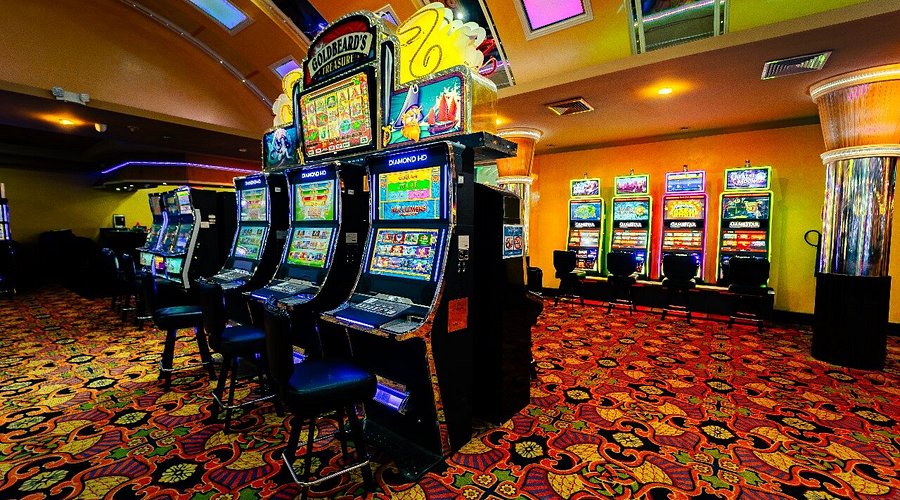
The evolution of slot machines is one of the most fascinating narratives in the gaming industry. What began as a simple mechanical curiosity in the late 19th century has transformed into a sophisticated cornerstone of digital entertainment. Whether you are a casual player curious about the mechanics or someone interested in the history of casino gaming, understanding the “slot” ecosystem provides valuable insight into how this popular pastime functions today.
The Mechanics: How a Modern Slot Works
At their core, all slot games—whether found in a brick-and-mortar casino or on an online platform—operate on a principle known as a Random Number Generator (RNG).
In the early days of physical slots, the game relied on physical gears and levers to determine the position of the reels. Today, the process is entirely computational. The RNG is a complex algorithm that generates thousands of random numbers per second. The exact moment you press the “spin” button, the system selects the most recent number from the generator, which then determines the specific stop positions for each reel.
This mechanism ensures that every single spin is an independent event. The outcome of one spin has absolutely no influence on the next, meaning that the concept of a “hot” or “cold” machine is a myth born from player psychology rather than technical reality.
Understanding Key Terminology
To navigate the world of slots effectively, it is helpful to familiarize yourself with a few key terms that dictate how these games are balanced and played:
- RTP (Return to Player): This is a percentage that indicates the long-term expected payback of a slot machine. For example, a game with a 96% RTP is mathematically designed to return 96 dollars for every 100 dollars wagered over a very large number of spins.
- Volatility (Variance): This describes the “risk” profile of a game. High-volatility slots tend to pay out less frequently, but with the potential for larger prizes when they do pay. Low-volatility slots provide more frequent, smaller wins, keeping your bankroll stable for longer periods.
- Paylines: These are the patterns across the reels that determine if a spin results in a win. While classic games often featured a single horizontal payline, modern video slots can feature dozens, or even hundreds, of ways to win.
The Shift to Digital Entertainment
The transition from physical cabinets to online gaming has allowed developers to get incredibly creative. Modern slots now feature immersive cinematic storytelling, intricate bonus rounds, and gamification elements that were previously impossible. Developers utilize advanced graphics and sound design to create experiences that feel less like a transaction and more like a narrative journey.
Furthermore, the rise of mobile technology has made the slot format ubiquitous. Players can now access their favorite titles from anywhere, leading to a massive expansion in themes—ranging from ancient mythology and historical exploration to pop culture icons and futuristic sci-fi environments.
Responsible Engagement
As with any form of entertainment involving financial risk, it is essential to approach gaming with a clear strategy and a responsible mindset. Because slots are games of chance designed with a built-in house edge, they should never be viewed as a way to generate income.
The best approach is to treat slots as a form of leisure, similar to going to the cinema or purchasing a video game. Set a firm budget before you begin, understand the volatility of the game you are playing, and always ensure that you are playing on reputable, licensed platforms.
By focusing on the entertainment value—the art, the music, and the innovative bonus features—you can enjoy the excitement that the slot format provides while maintaining a healthy perspective on the risks involved. The landscape of digital gaming continues to change, but the core appeal remains the same: a momentary thrill paired with the anticipation of what the next spin might reveal.