Software is an integral part of modern life, powering everything from our smartphones and laptops to industrial machines and artificial intelligence systems. Without software, the digital revolution would not be possible. Whether you’re browsing the internet, using a mobile app, or operating a piece of machinery, software is working behind the scenes to make it all happen. In this article, we’ll explore what software is, the different types of software, its role in society, and the future of this essential technology.
What is Software?
Software refers to a set of instructions, data, or programs used to operate computers and execute specific tasks. It contrasts with hardware, which is the physical aspect of a computer system. In simpler terms, hardware is what you can touch—like the keyboard or monitor—while software is what you use, like a web browser or a word processor.
Software acts as a bridge between the user and the hardware. It tells the hardware how to perform tasks, whether that’s displaying a webpage, running a video game, or calculating a spreadsheet.
Types of Software
Software can be categorized into two primary types: system software and application software.
1. System Software
System software is designed to manage and control computer hardware. It serves as a foundation for running application software. Examples include:
- Operating Systems (Windows, macOS, Linux): These provide the environment for other software to run.
- Device Drivers: These enable the operating system to communicate with hardware devices like printers and graphic cards.
- Utility Programs: These perform maintenance tasks such as antivirus scanning, disk cleanup, and file management.
2. Application Software
Application software helps users perform specific tasks or solve particular problems. Examples include:
- Productivity Software: Word processors, spreadsheets, and presentation tools (e.g., Microsoft Office, Google Docs).
- Web Browsers: Google Chrome, Mozilla Firefox, Safari.
- Media Players: VLC, Windows Media Player.
- Business Software: Customer Relationship Management (CRM) tools, accounting software, inventory management systems.
There are also specialized software types like embedded software (found in devices like smart TVs, washing machines, and cars) and development software (tools used by programmers, such as code editors and compilers).
Importance of Software in Everyday Life
Software plays a critical role in virtually every industry and aspect of modern life. Here are some key areas where software has a major impact:
- Communication: Messaging apps, video conferencing tools, and social media platforms all run on sophisticated software systems.
- Healthcare: Medical software assists in patient diagnosis, record-keeping, treatment planning, and even robotic surgeries.
- Education: Learning management systems, virtual classrooms, and e-learning platforms are powered by software.
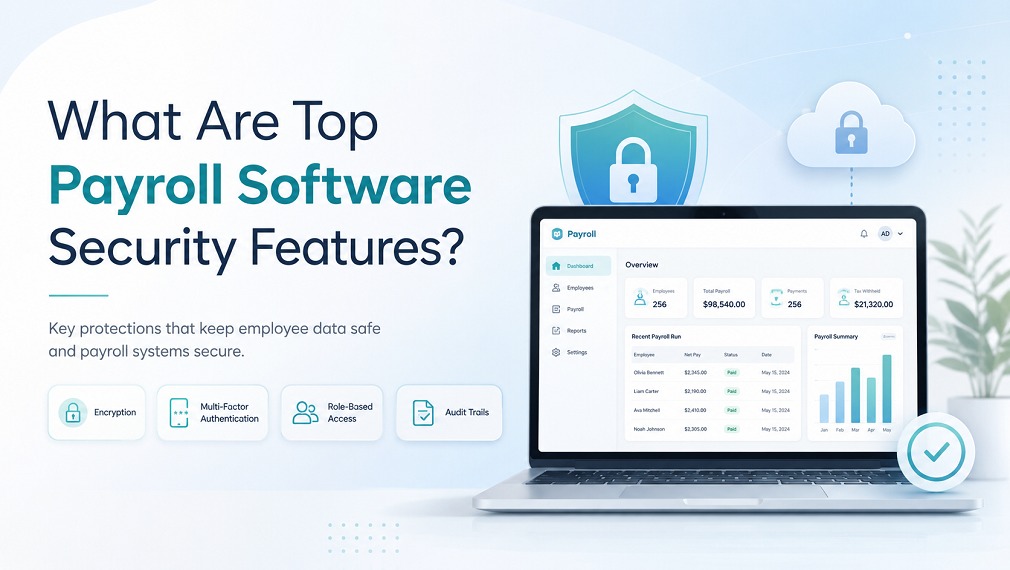
- Business Operations: From payroll to marketing automation, software helps businesses streamline processes and improve productivity.
- Transportation: Navigation apps, traffic control systems, and self-driving vehicles rely heavily on software engineering.
How Software is Developed
Software development is the process of conceiving, specifying, designing, programming, testing, and maintaining applications and systems. It usually follows a Software Development Life Cycle (SDLC), which includes stages like:
- Requirement Analysis: Understanding what the users need.
- Design: Planning the software structure and components.
- Implementation: Writing the actual code.
- Testing: Identifying and fixing bugs.
- Deployment: Releasing the software to users.
- Maintenance: Updating and improving the software over time.
Popular programming languages used in software development include Python, JavaScript, Java, C++, and many more. Development tools such as Git (for version control) and integrated development environments (IDEs) like Visual Studio help streamline the process.
Open Source vs. Proprietary Software
Software can also be classified based on its availability and licensing:
- Open Source Software: The source code is available for anyone to view, modify, and distribute (e.g., Linux, Apache, Mozilla Firefox).
- Proprietary Software: Owned by companies or individuals, with restrictions on its use and distribution (e.g., Microsoft Office, Adobe Photoshop).
Open source promotes collaboration and innovation, while proprietary software often offers dedicated support and refined features.
The Future of Software
The software industry is constantly evolving, driven by new technologies and user demands. Here are some emerging trends:
- Artificial Intelligence and Machine Learning: Software is now capable of learning and adapting, powering smart assistants, recommendation engines, and predictive analytics.
- Cloud Computing: Software is increasingly being delivered over the internet, enabling users to access services from any device.
- Automation and Robotics: Software is at the core of automation in manufacturing, logistics, and customer service.
- Cybersecurity Software: As digital threats grow, so does the need for advanced security software to protect data and systems.
- Low-Code and No-Code Platforms: These allow people with little programming experience to build apps quickly, democratizing software development.
Conclusion
Software is much more than lines of code—it is the engine that drives the digital age. From the apps on your phone to complex systems that run global enterprises, software is essential to modern living. As technology continues to advance, the role of software will only grow more significant. Whether you’re a business owner, a student, or simply a tech enthusiast, understanding software is crucial in today’s connected world.