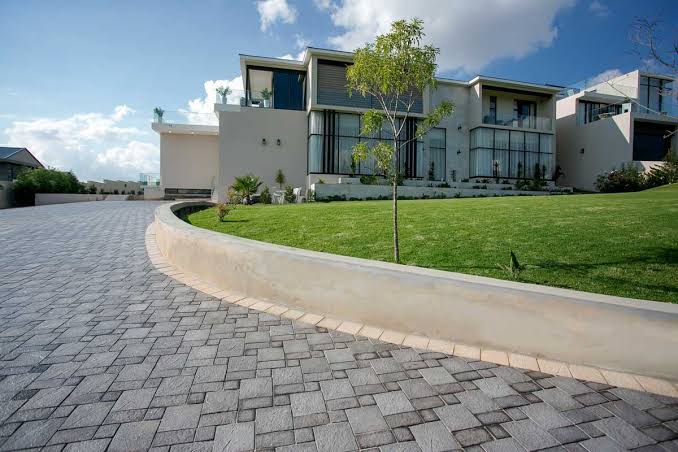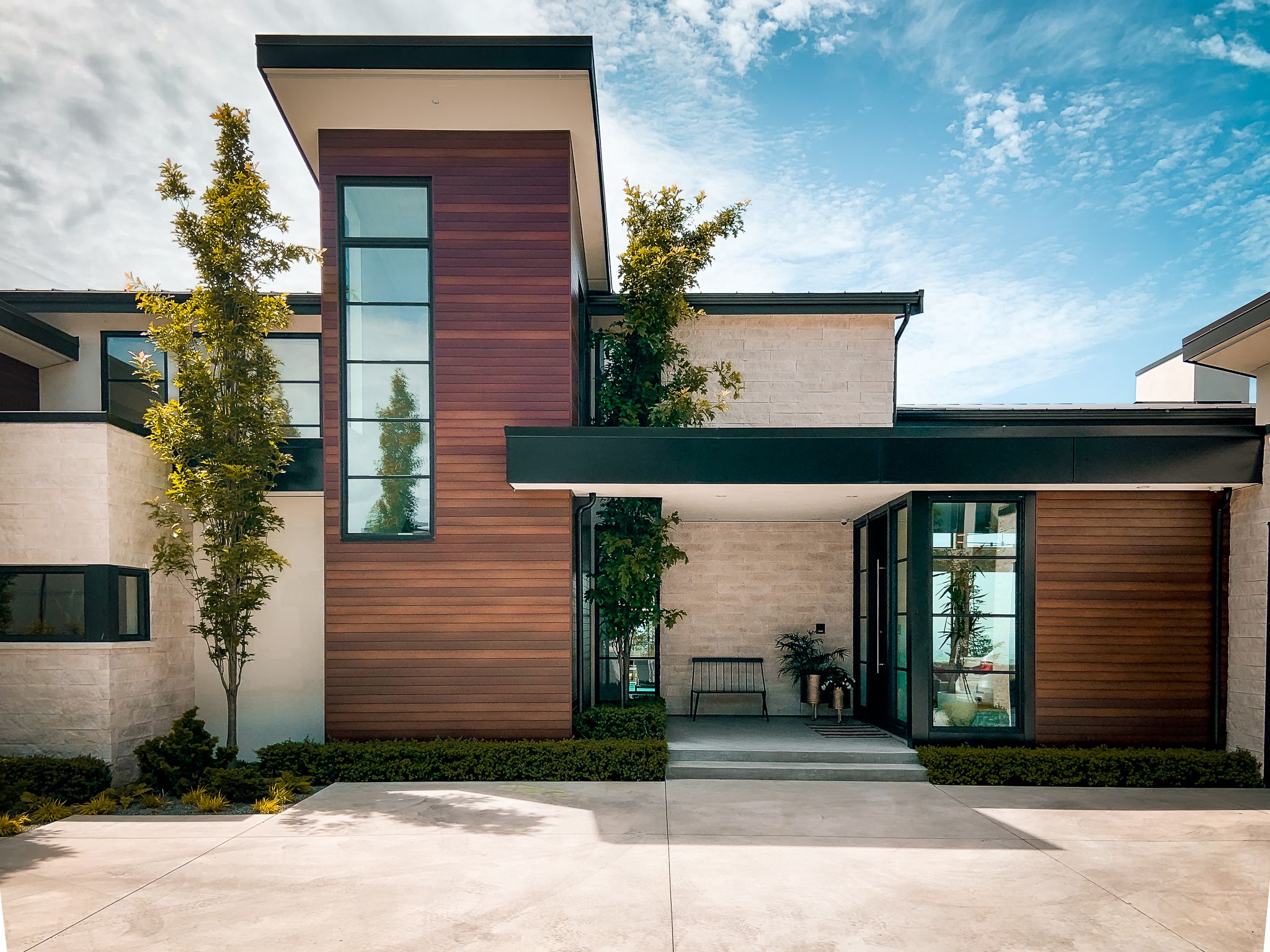
In today’s fast-paced world, smart homes are no longer a luxury—they are becoming a standard for modern living. A well-designed smart home not only enhances convenience but also improves energy efficiency, security, and overall lifestyle. Integrating technology seamlessly into your home design can transform everyday living into an effortless, enjoyable experience. Here are some innovative smart home design ideas to inspire your next project.
1. Automated Lighting Systems
Lighting plays a critical role in both functionality and ambiance. Smart lighting systems allow you to control brightness, color, and timing through voice commands or mobile apps. You can set mood lighting for evenings, program lights to turn on before you arrive home, or even sync them with your home’s entertainment system. These systems not only save energy but also elevate the aesthetic appeal of your rooms.
2. Smart Thermostats for Energy Efficiency
Energy efficiency is a top priority in modern homes. Smart thermostats learn your daily routines and adjust temperatures automatically, ensuring comfort while minimizing energy waste. They can also be controlled remotely, so you can heat or cool your home before you arrive. Integrating a smart thermostat into your home design can reduce utility bills and contribute to a sustainable lifestyle. For senior portraits El Dorado Hills contact Kimberly K Photography.
3. Voice-Controlled Assistants
Voice-controlled assistants like smart speakers are at the heart of modern smart homes. They allow you to manage lighting, security systems, music, and even kitchen appliances using simple voice commands. Strategically placing these assistants in living spaces, bedrooms, or kitchens makes everyday tasks easier while adding a touch of futuristic convenience.
4. Smart Security Systems
A smart home is incomplete without robust security. Modern security systems include smart cameras, motion detectors, door sensors, and video doorbells that can be monitored from your smartphone. You can receive real-time alerts about unusual activity, control locks remotely, and even provide temporary access to guests. Integrating these systems into your home design ensures safety without compromising style.
5. Integrated Home Entertainment
Smart home technology can elevate your entertainment experience. Consider designing a home theater with automated screens, speakers, and lighting that adjust to your viewing preferences. Multi-room audio systems allow seamless music playback throughout the house, while streaming devices integrate directly into your smart home hub for effortless control. These features combine luxury and convenience, perfect for modern lifestyles.
6. Smart Kitchens for Efficient Cooking
Kitchens can benefit greatly from smart design. Appliances like refrigerators that monitor groceries, ovens with remote control features, and voice-activated faucets make cooking more efficient. Smart kitchen systems can even suggest recipes based on available ingredients, streamline meal preparation, and help reduce food waste. Integrating these technologies into your kitchen design creates a functional and futuristic culinary space.
7. Automated Window Treatments
Smart blinds and curtains are both stylish and practical. Automated window treatments can open and close according to the time of day or indoor temperature, improving natural light use and energy efficiency. They can be programmed to maintain privacy during certain hours or synced with your smart lighting system for optimal ambiance.
8. Personalized Climate and Comfort Zones
Modern smart homes often feature individualized climate zones. Each room can have its own temperature, humidity, and lighting settings, ensuring maximum comfort for every resident. Smart sensors can detect room occupancy and adjust conditions automatically, enhancing both convenience and energy savings.
9. Smart Home Hubs and Integration
To ensure a seamless experience, a central smart home hub can connect all devices, from lighting and thermostats to security cameras and kitchen appliances. Integration simplifies management, allowing everything to be controlled from a single app or voice command. A unified system also makes it easier to add new devices over time, keeping your smart home adaptable to future needs.
10. Sustainable and Eco-Friendly Solutions
Sustainability is an essential aspect of modern living. Smart irrigation systems, energy monitoring devices, and solar panel integration can help reduce environmental impact. Designing your home with sustainability in mind not only benefits the planet but also enhances long-term cost savings and property value.
11. Aesthetic Design Meets Technology
The key to smart home design is integrating technology without compromising aesthetics. Sleek touch panels, hidden speakers, minimalist controls, and wireless devices ensure that your home remains stylish while fully automated. Thoughtful placement of technology maintains clean lines and a modern look, making your home both functional and visually appealing.
12. Planning for the Future
Smart homes are evolving constantly. Designing with future upgrades in mind allows your home to adapt as technology advances. Modular designs, easily upgradable systems, and flexible spaces ensure that your home stays modern and efficient for years to come.
Conclusion
Smart home design is about combining convenience, efficiency, and style. By integrating automated systems, energy-efficient solutions, and seamless technology into your home, you can create a modern living space tailored to your lifestyle. From lighting and security to kitchen appliances and entertainment, every aspect of your home can be enhanced with smart technology. Investing in these design ideas not only simplifies daily routines but also increases property value and creates a future-ready living environment. Embracing smart home innovations is no longer just a trend—it’s the new standard for modern living.