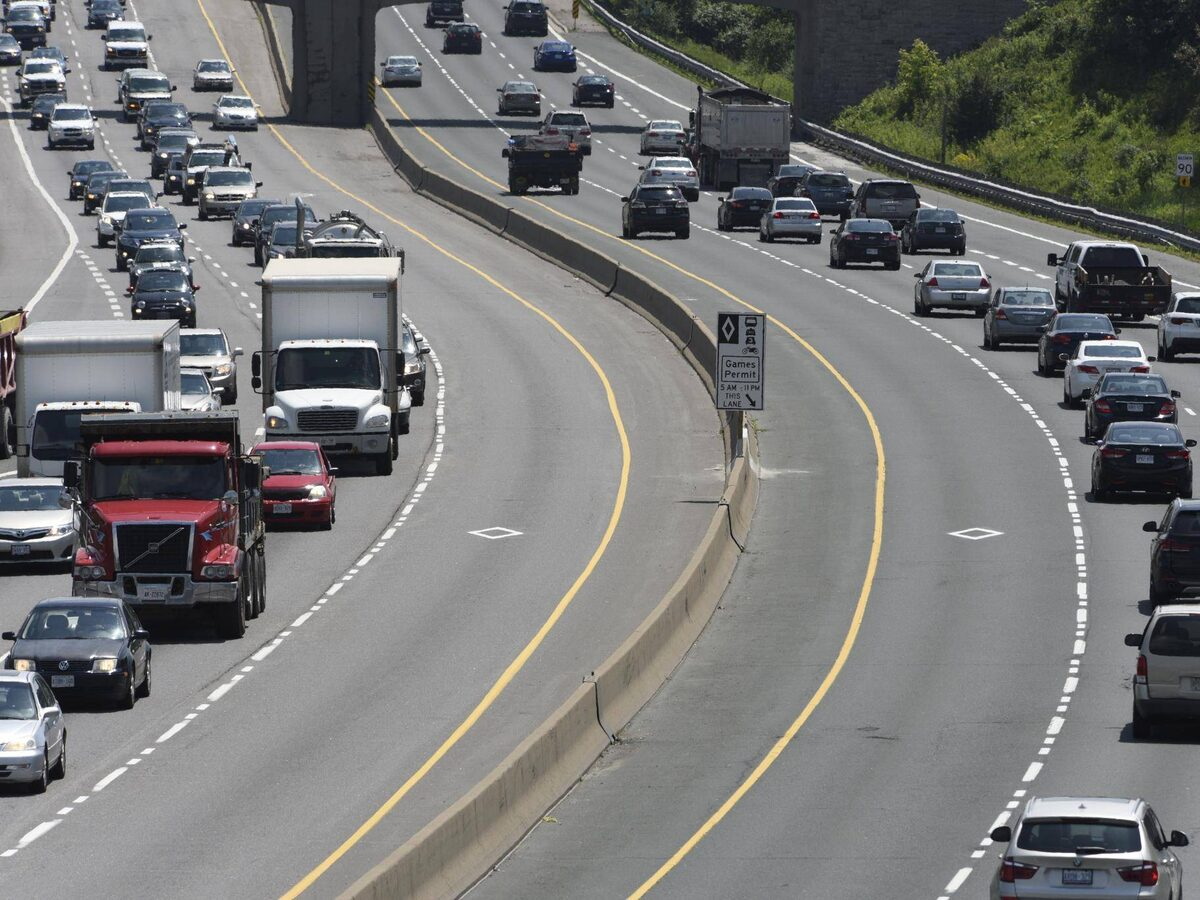
An HOV ticket in Ontario is a traffic offence that many drivers receive without fully understanding what went wrong. High Occupancy Vehicle (HOV) lanes are designed to reduce congestion and encourage carpooling, but using them incorrectly can lead to fines, demerit points, and insurance increases. If you’ve been charged, it’s important to understand your rights and legal options. More details can be found here: https://www.trafficparalegalservices.com/hov-tickets/
What Is an HOV Lane?
HOV stands for High Occupancy Vehicle, and these lanes are located on major Ontario highways such as Highway 401, 404, 403, QEW, and others. They are usually marked with diamond symbols and signage.
HOV lanes are intended for:
- Vehicles with at least two occupants (including the driver)
- Motorcycles
- Buses
- Taxis and emergency vehicles
- Certain green-plated electric vehicles
Solo drivers are generally not allowed unless they qualify under specific exemptions.
The purpose of HOV lanes is to:
- Reduce traffic congestion
- Encourage carpooling
- Lower emissions
- Improve highway efficiency
What Is an HOV Ticket?
An HOV ticket is issued when a driver uses the HOV lane without meeting the legal requirements. The most common violation is driving alone in the lane when at least two occupants are required.
Drivers can also be ticketed for:
- Improper entry or exit from the HOV lane
- Crossing solid or restricted buffer lines
- Using the lane during restricted hours (where applicable)
Even a short or accidental entry into the lane can result in a charge if the vehicle does not meet requirements.
Penalties for HOV Tickets in Ontario
HOV violations are considered provincial offences under the Highway Traffic Act. The penalties can vary depending on the situation but are still significant.
Typical consequences include:
- A fine starting around $110
- Up to 3 demerit points
- Higher fines in serious or repeat cases (up to $1,000 in some situations)
- Increased insurance premiums
- A conviction on your driving record
Although the fine may seem small compared to other offences, the long-term insurance impact often costs drivers much more.
Why HOV Tickets Matter
Many drivers assume HOV tickets are minor, but they can have lasting consequences. Insurance companies treat them as indicators of unsafe or non-compliant driving behaviour.
An HOV conviction can lead to:
- Higher insurance premiums
- Loss of preferred insurance rates
- Accumulation of demerit points
- Long-term driving record issues
In addition, enforcement is increasing on busy commuter highways, especially during peak traffic hours.
Common Reasons Drivers Get HOV Tickets
HOV lanes are often misunderstood, which leads to accidental violations. Common reasons include:
- Forgetting that passengers must be counted (including children in some cases)
- Entering the lane during congestion without noticing signage
- Misunderstanding green plate or exemption rules
- Crossing into the lane through restricted buffer areas
- Assuming HOV lanes can be used as regular fast lanes
Because signage varies by highway, confusion is common among daily commuters.
Can You Fight an HOV Ticket?
Yes, an HOV ticket can be challenged in court. It is not an automatic conviction, and the prosecution must prove that the vehicle was not legally permitted to use the lane.
Possible defence options include:
- You had the required number of passengers at the time
- The officer made an incorrect observation
- The signage or lane markings were unclear or obstructed
- You entered the lane legally but were misidentified
- Procedural or ticketing errors occurred
Every case depends on evidence such as officer notes, highway signage, and witness statements.
Why Fighting an HOV Ticket May Be Worth It
Even though the offence may seem minor, fighting the charge can help you:
- Avoid demerit points
- Prevent insurance increases
- Protect your driving record
- Reduce or eliminate fines
- Avoid long-term financial consequences
In many cases, tickets may also be reduced or withdrawn depending on the circumstances and evidence available.
Legal Help Can Improve Your Chances
HOV ticket cases often depend on technical details such as occupancy rules, lane markings, and timing. A traffic paralegal can help by:
- Reviewing disclosure evidence
- Identifying weaknesses in the case
- Negotiating with prosecutors
- Representing you in court
- Helping protect your insurance and driving record
Conclusion
HOV tickets in Ontario may seem like minor infractions, but they can lead to fines, demerit points, and insurance consequences that last far longer than expected. Understanding the rules of HOV lane use is essential, and if you’ve been charged, you have the right to challenge it.
Taking action early and exploring your legal options can make a significant difference in the outcome of your case and your long-term driving record.