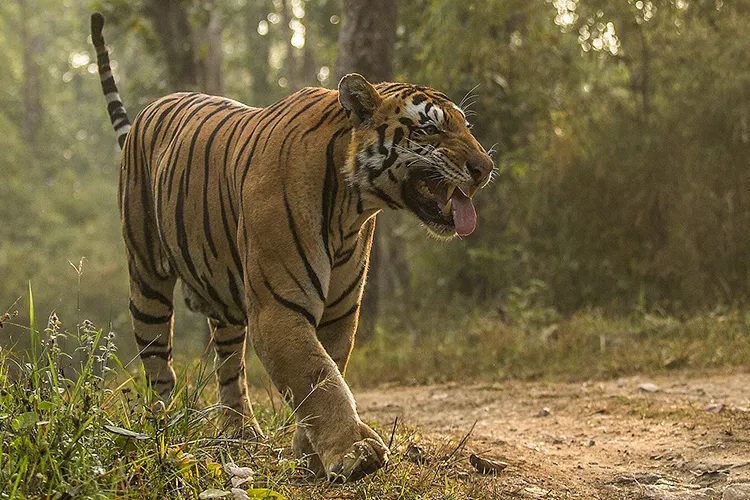
India, home to more than 70% of the world’s wild tiger population, offers one of the most thrilling wildlife experiences on Earth: the tiger safari in India. For nature enthusiasts, wildlife photographers, and adventure travelers, a tiger safari is not just about spotting the majestic Bengal tiger—it’s about immersing yourself in the untamed beauty of India’s national parks, dense forests, and diverse ecosystems. This article explores why India is the ultimate destination for tiger safaris, the best parks to visit, the ideal seasons for a safari, and tips to make your trip unforgettable.
Why Choose a Tiger Safari in India?
India has a rich history of wildlife conservation, especially after the launch of Project Tiger in 1973. Today, the country boasts over 50 tiger reserves, offering incredible opportunities to see these elusive big cats in their natural habitat. A tiger safari in India is a deeply authentic experience, combining cultural immersion, ecological education, and the sheer thrill of spotting a tiger in the wild.
Unlike the controlled environments of zoos or sanctuaries, Indian tiger reserves are vast, wild, and unpredictable. The excitement of following pugmarks, listening to alarm calls from deer and monkeys, and scanning the bush with binoculars heightens the thrill. For many, the first sighting of a tiger—powerful, graceful, and alert—is a moment that leaves a permanent mark on the soul.
Top Destinations for a Tiger Safari in India
India offers several outstanding national parks and tiger reserves where your chances of spotting a tiger are quite high. Here are some of the most renowned:
1. Ranthambhore National Park (Rajasthan)
Located near Sawai Madhopur in Rajasthan, Ranthambhore is one of the most popular destinations for a tiger safari in India. Known for its dry deciduous forest, ancient ruins, and relatively high tiger density, it’s a great choice for first-time visitors. The sight of a tiger walking past an old temple or bathing in a lake is a photographer’s dream.
2. Bandhavgarh National Park (Madhya Pradesh)
Famous for having one of the highest densities of Bengal tigers in India, Bandhavgarh offers excellent chances of tiger sightings. The park is also known for its scenic beauty and mythological significance—it’s said to be the place where Lord Rama’s brother built a fort.
3. Kanha National Park (Madhya Pradesh)
The inspiration behind Rudyard Kipling’s The Jungle Book, Kanha is a biodiversity hotspot. Apart from tigers, it’s home to leopards, wild dogs, barasinghas (swamp deer), and over 300 species of birds. The park is extremely well-managed and offers guided jeep safaris twice a day.
4. Jim Corbett National Park (Uttarakhand)
Established in 1936, Jim Corbett is India’s oldest national park. While the hilly terrain and dense forest make tiger sightings slightly more difficult, the park’s rich diversity of flora and fauna makes it a favorite among nature lovers.
5. Tadoba-Andhari Tiger Reserve (Maharashtra)
Often referred to as Maharashtra’s “jewel,” Tadoba is gaining popularity due to its frequent tiger sightings and less tourist crowd. It’s a great off-the-beaten-path option for those seeking an authentic safari experience.
Best Time for Tiger Safari in India
The best time for a tiger safari in India is during the dry season, from October to June. Here’s a breakdown:
- October to February: Pleasant weather and lush green landscapes. Good for overall wildlife viewing but tigers may be harder to spot due to dense foliage.
- March to June: Peak summer offers the best chance of seeing tigers as they come out to water sources to beat the heat. It can get extremely hot, but sightings are more frequent.
Monsoon season (July to September) is generally avoided, as most parks remain closed during this time.
Tips for a Successful Safari
- Book Early: Safari permits, especially in popular parks like Ranthambhore and Bandhavgarh, are limited and sell out quickly.
- Choose the Right Zone: Each park is divided into multiple safari zones. Some zones are known for more frequent tiger sightings—research or ask your tour operator.
- Hire a Knowledgeable Guide: A skilled naturalist or guide enhances the experience, helping you spot not just tigers but also other fascinating wildlife.
- Pack Wisely: Bring binoculars, a camera with a zoom lens, a hat, sunscreen, and neutral-colored clothing to blend into the environment.
- Be Patient: Safari is about the journey, not just the tiger. Even if you don’t spot one, the experience of being in the wild is deeply rewarding.
Conclusion
A tiger safari in India is more than a wildlife excursion—it’s an adventure into the soul of India’s natural heritage. From the jungles of Madhya Pradesh to the arid landscapes of Rajasthan, each reserve tells a unique story of survival, conservation, and coexistence. Whether you’re a wildlife enthusiast, a curious traveler, or a family seeking a memorable vacation, a tiger safari in India promises wonder, excitement, and perhaps even a rare moment of eye contact with the king of the jungle.