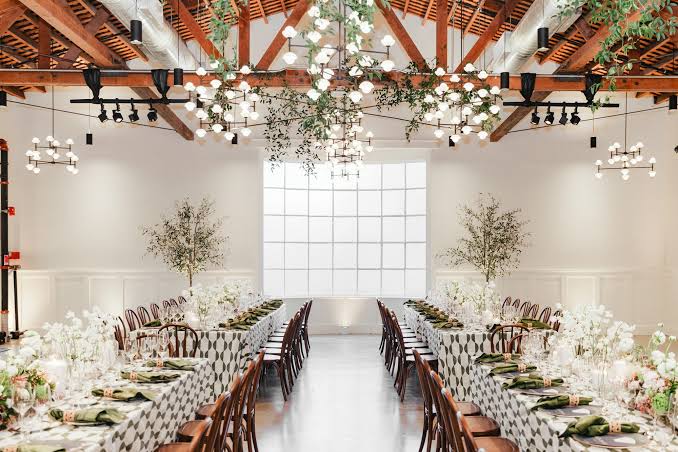
Choosing the right event space can have a major impact on the comfort of guests, the flow of activities, and the overall atmosphere of a celebration. Whether you are planning a wedding, corporate gathering, birthday party, private dinner, or community event, the ideal location should balance appearance with practicality. Careful planning can help ensure that the space supports the event rather than creating unnecessary challenges.
Start With the Guest List
The number of expected guests should be one of the first considerations. A space that is too small can feel crowded, while an oversized location may appear empty and lack atmosphere.
Consider how much room will be needed for seating, dining, entertainment, dancing, presentations, and guest movement. Do not rely only on the maximum capacity provided by the property. The actual layout and event activities can reduce the amount of usable space.
Think About the Event Style
Different occasions require different environments. A formal corporate gathering may need a professional setting with presentation facilities, while a private celebration may work better in a relaxed or stylish space.
Think about the colors, furniture, lighting, decor, and overall mood you want. Choosing a location that naturally matches the desired theme can reduce decoration costs and simplify planning.
Consider Accessibility
A convenient location can make attendance easier for everyone. Look at parking availability, public transportation, nearby accommodations, entrances, elevators, and accessibility features.
Guests may have different mobility needs, so accessible pathways, restrooms, entrances, and seating should be considered during the selection process.
Review Available Facilities
Every event space offers different amenities. Some include tables, chairs, lighting, sound systems, kitchens, dressing rooms, staging areas, or event staff, while others require outside rentals.
Ask for a complete list of included facilities before booking. Understanding what is already available can help create a more accurate event budget.
Check Catering Options
Food and beverages are often an important part of an event. Some locations have in-house catering, while others allow outside food providers.
Before making a decision, ask about menu choices, food preparation areas, service fees, dietary accommodations, and restrictions on outside vendors. Clear information can prevent unexpected limitations later.
Evaluate Lighting and Photography Areas
Lighting can strongly affect the atmosphere and the quality of event photographs. During a site visit, look for spaces with attractive natural light as well as suitable indoor lighting.
Consider whether there are appealing backgrounds for photographs, private areas for portraits, and enough space for professional photography equipment without disrupting guests. Looking for an event venue Winston Salem, call The Ridge Event Venue.
Ask About Setup and Cleanup
Events often require significant preparation before guests arrive. Decorations, furniture, flowers, lighting, audiovisual equipment, and catering may all need to be installed.
Find out when vendors can access the property, how much setup time is available, and when cleanup must be completed. A flexible schedule can make coordination much easier.
Review Rules and Restrictions
Some properties have specific rules regarding music, decorations, outside vendors, candles, alcohol service, noise levels, or event hours. These restrictions should be understood before signing an agreement.
Ask for the rules in writing so there are no surprises during the planning process.
Compare Complete Costs
The advertised rental price may not represent the total expense. Additional fees can include security, cleaning, overtime, staffing, equipment, furniture, taxes, and service charges.
Request a detailed estimate that includes all expected expenses. Comparing complete costs among several options can help identify the best overall value.
Read the Contract Carefully
Before making a deposit, review the agreement carefully. Pay attention to cancellation policies, payment schedules, guest limits, damage requirements, event hours, included services, and additional fees.
Any unclear terms should be discussed before signing. A detailed contract helps protect both the event organizer and the property owner.
Conclusion
Selecting the right event space requires careful attention to guest capacity, location, facilities, catering, accessibility, photography, scheduling, restrictions, and total costs. By visiting potential locations, asking detailed questions, and comparing complete options, organizers can choose a space that fits both the occasion and the budget. A well-selected venue can provide a comfortable environment and create the right setting for a memorable and successful event.